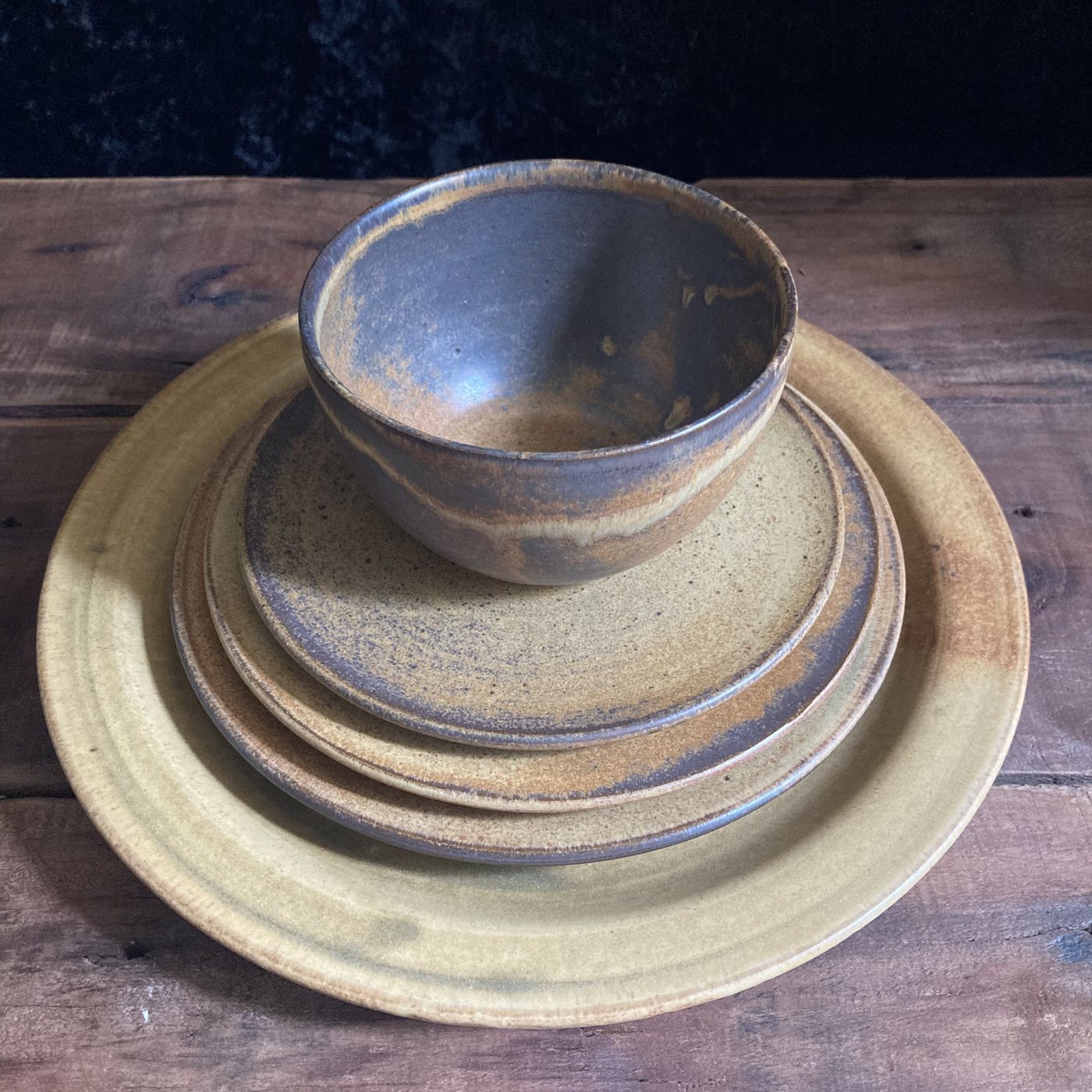
The short answer. Most places that come up when you look for a ceramics shop in Metro Manila are pottery studios. They teach classes, and most also sell pieces made in the studio. That is a good place to learn. If you want a finished piece that has been chosen, documented and priced plainly, you want a shop and gallery. That is what AWIS is.
Studios: where you go to learn
These are working studios. Their main offer is the class, the wheel and the clay, and most also sell pieces.
- Tahanan Pottery Shop & Studio, Diliman, Quezon City. Classes from beginner to advanced, and a supplier of clay, tools and materials. Holds a pottery fiesta each October.
- Laro Ceramics, Katipunan, Quezon City, and BGC. Three-hour beginner sessions in wheel throwing, hand building and painting.
- Wabi Sabi Studio, Kapitolyo, Pasig. Crash courses and full courses, with a café beside the studio.
- Bumi & Ashe, Cubao Expo, Quezon City. Beginner classes, firing services and studio rental.
- Odangputik Pottery, Tandang Sora, Quezon City. Paid workshops and handmade ceramics.
- Lemon Lab, Escolta, Manila. A community pottery studio in a heritage building.
If you want to make your own mug, start here.
A shop and gallery: where you go to choose
AWIS does not run classes. We do one thing: find Philippine pottery worth keeping, and present it plainly.
- Chosen, not stocked. A piece is shown because it is well made and good to use, not because it came out of the kiln.
- Documented. Every piece is listed with its material, its dimensions, its glaze and how to care for it. A new catalogue is published every Monday.
- Named artists. Guest artists are shown with their names and their work: Joey de Castro's tea bowls, Mia Casal's Barnacle bowls and plates, Siegrid Bangyay's Musa mugs from Sagada, a place setting by Niño Hernandez, and Vicente Gudiño's mugs and cups. See the exhibition.
- Prices in public. The house line of stoneware mugs and cups is Juan ₱650, Briseo from ₱700, Duke ₱800, Anton ₱850, Amado ₱850, Floresca ₱900. Plates, bowls and artist pieces are on enquiry.
- Made for use. High fired stoneware, dishwasher and microwave safe, with a care guide for each piece.
We ship anywhere in the Philippines, or you can collect in Metro Manila. For gifts, see ceramic gifts by budget.
A studio sells what it makes. A gallery shows what it would keep.
How to judge any seller
Ask who made the piece and where. Ask whether it is stoneware, and whether it can go in the dishwasher and microwave. Look for a published price, and for care instructions. A seller who can answer all of these has looked closely at what they sell. More in What to Look For in a Mug and What a Handmade Mug Costs.
Where to see Philippine pottery
For the long history, the National Museum of Anthropology in Manila holds the Manunggul Jar, a burial jar from Palawan. For the living traditions, read about palayok, banga and tapayan and the burnay jars of Vigan.