Common questions
Yes. These pieces are high fired stoneware, dense and close to non porous, so they tolerate a dishwasher on a daily basis. Wash on a normal cycle. Over time the unglazed foot ring may lighten slightly with repeated machine washing, which is expected.
Yes, for reheating food and drink. Keep to short spells of two to three minutes. Do not microwave a piece taken straight from the refrigerator, as the sudden change in temperature puts the body under strain.
A piece at room temperature can go into a warm oven. Never move a piece from the refrigerator or freezer directly into a hot oven, and never set a hot piece into cold water.
A sudden change in temperature. It is the one thing that reliably damages stoneware. Pouring boiling water into a cold cup, or lifting a hot dish into a cold sink, can strain the glaze and cause fine cracks known as crazing. Warm and cool a piece gradually and it will not mind.
A soft sponge and warm water. Avoid abrasive pads and scouring powder on matte glazes, which dull the surface over time.
The ring a piece stands on is left bare so it does not fuse to the kiln shelf during firing. That exposed clay holds water after washing. Let it dry fully before stacking, or it will leave a faint ring on the piece beneath.
No. Those are metal deposits left by cutlery, not scratches in the glaze. They lift with a paste of bicarbonate of soda and a little water, worked gently with a cloth.
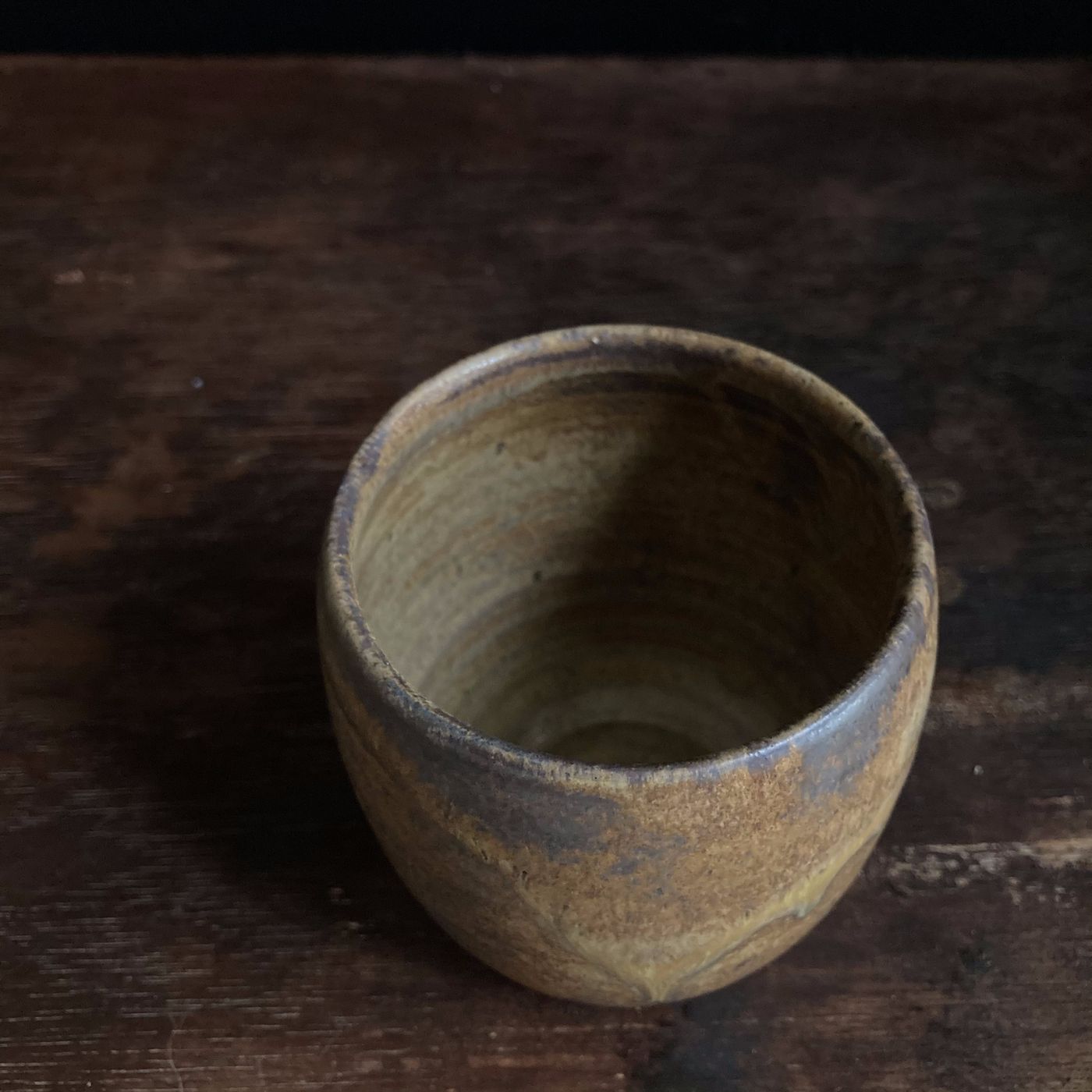
Each piece is thrown by hand and glazed by dipping, so dimensions, glaze depth and rim thickness vary between them. Variation is a record of how the piece was made, not a fault in it.
Still unsure about a piece? Write to hello@awis.ph.
Related reading: Stoneware and Earthenware.